
Should Dentures Come Out at Night?
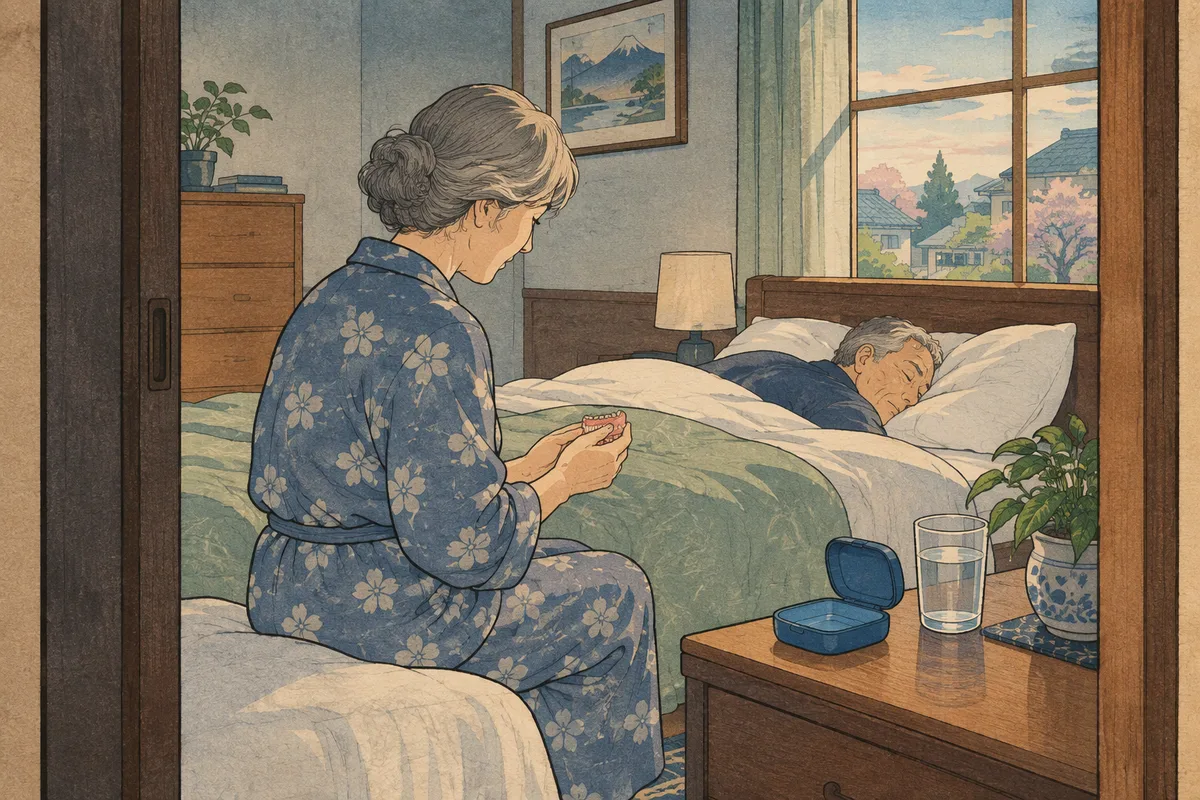
For most people who wear removable dentures, the answer is yes: dentures should come out during sleep. Taking them out gives the gums and other tissues a break from pressure and coverage. It also creates a daily chance to clean both the dentures and the mouth.
There is an important exception. If dentures were placed right after teeth were removed, the dentist’s instructions for the first night or early healing period may be different. Those directions take priority over a general nighttime routine. Here is what to know about removal, cleaning, and storage.
Why Oral Tissues Need a Nighttime Break
Dentures rest against delicate tissues for many hours during the day. Leaving them in around the clock keeps those areas covered and may allow plaque, food debris, and moisture to remain trapped. Removing dentures at night reduces ongoing pressure and gives the mouth time without the appliance in place.
That break matters even when dentures feel comfortable. Regular overnight wear can contribute to irritation and inflammation, including problems linked to yeast. Cleaning helps reduce buildup, but it does not replace time out of the mouth.
These recommendations apply to removable full and partial dentures. Dental work that is fixed in place is different and should not be removed at home. If you are unsure whether your appliance is meant to come out, ask your dentist before trying to remove it.
Clean the Dentures and the Mouth
After removing dentures, rinse away loose food and gently brush all surfaces with a soft denture brush and a cleaner recommended for the appliance. Regular toothpaste can be too abrasive for some denture materials, leaving scratches where buildup can collect. Cleaning over a folded towel or a basin partly filled with water can help protect dentures if they slip.
A denture soak may be part of the routine, but soaking alone does not replace brushing. Follow the cleaner’s label for dilution and soaking time. Denture cleaning products belong outside the mouth, and dentures should be thoroughly rinsed before they go back in.
The mouth needs attention, too. Gently clean the gums, tongue, and roof of the mouth with a soft brush. People with partial dentures should continue brushing their natural teeth with fluoride toothpaste and cleaning between them. Remove leftover adhesive gently rather than scraping tender tissue.
Store Dentures According to Their Material
Many dentures need to stay moist when they are out of the mouth so they do not dry out or change shape. Depending on the material, storage may involve plain water or a suitable denture soaking solution. The right choice is not the same for every appliance, so follow the dentist’s directions and the product instructions.
Partial dentures with metal parts, dentures with soft liners, and other materials may need different care. Some cleaners can damage metal or affect a lining. Avoid household bleach unless your dentist has specifically recommended an appropriate method for your appliance, and never use hot or boiling water, which can distort dentures.
Use a clean container and keep it safely away from children and pets. Clean the container regularly, and use fresh water or solution as directed rather than repeatedly topping up old liquid. When traveling, a protective denture case can help keep the appliance secure.
When the First Night Is Different
Immediate dentures are placed after tooth removal, and the dentist may direct a patient to keep them in for the first night or another specified period. During early healing, they may help protect the extraction areas. Swelling can also make reinsertion difficult if they are removed too soon.
Do not substitute general advice for postoperative instructions. Follow the specific directions about when to remove the dentures, how to clean them, and when to return for a check. If those directions are unclear, call the treating dental office before changing the routine.
Beyond the healing period, ongoing soreness, bleeding, mouth changes, or a denture that feels loose deserves dental attention rather than simply more adhesive. Silverlake Dental Group provides family and specialty dental care in Silver Lake, Los Angeles. Personal questions about overnight wear or denture care are worth a call to your dentist, since the right routine depends on your appliance and oral health.
Questions about your own care? The team at Silverlake Dental Group is happy to help — call us at (323) 922-6016 or request an appointment.
This content is for general information only and isn't dental or medical advice. Talk with your dentist or orthodontist about your own situation. If you have a medical emergency, call 911.